Motorcycle Reviews Overheating At Red Lights
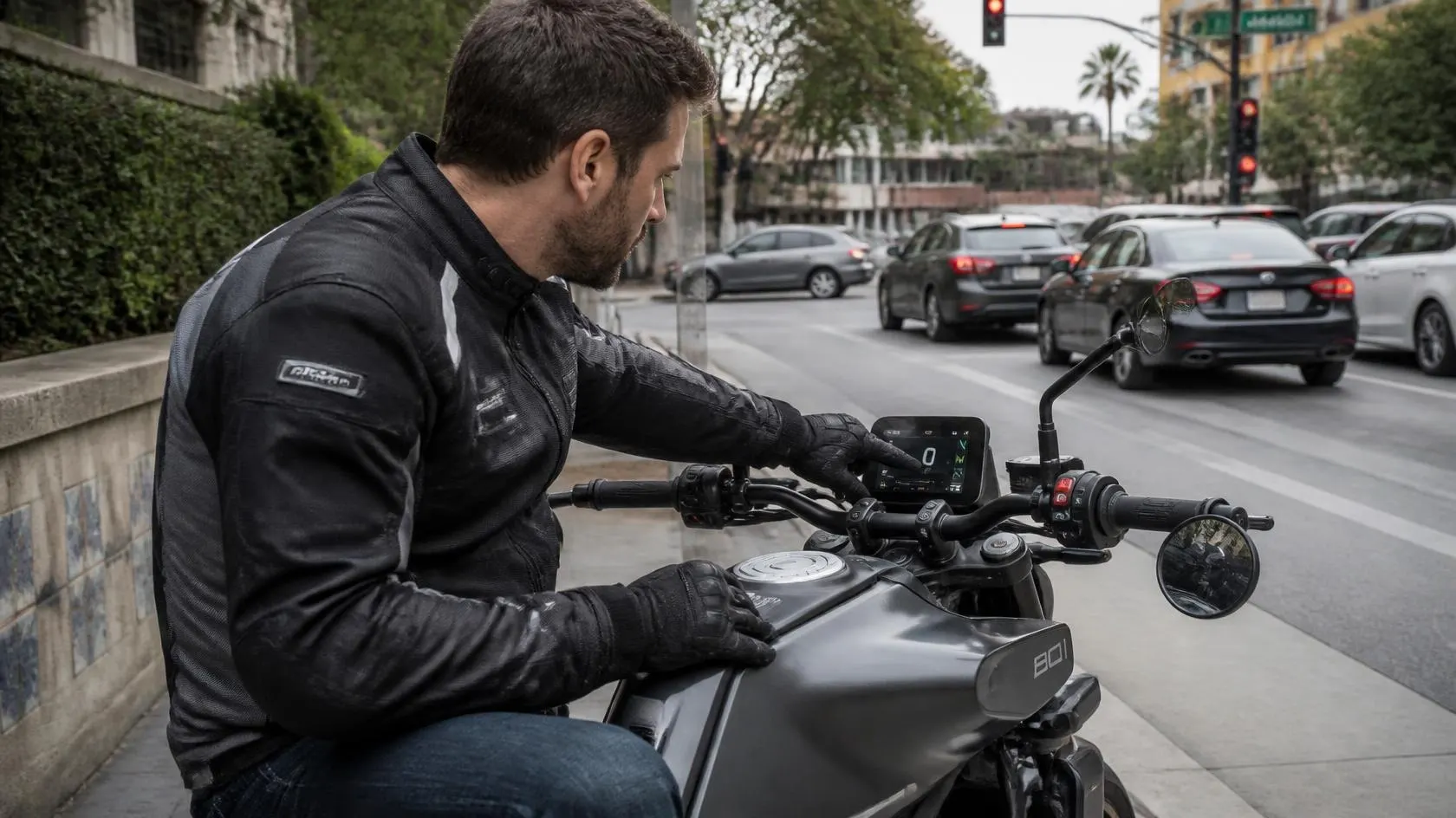
Motorcycles can run hotter when waiting at red lights because airflow through the radiator decreases while the engine continues running. Riders who understand common overheating symptoms can recognize potential cooling problems before they lead to costly repairs or unexpected breakdowns.
Motorcycle Overheating Red is an important issue to consider when reviewing a motorcycle’s performance in busy urban traffic. Understanding how temperature changes at intersections, how cooling components operate, and when warning signs appear can help riders evaluate reliability and determine whether a motorcycle needs professional inspection.
Heat Buildup in Traffic
Motorcycle engines naturally generate heat, but frequent stops can make temperature control more difficult. Cooling System Checks help riders assess whether the cooling components are working properly, especially when the motorcycle spends extended periods in slow-moving traffic. Although this topic is separate from general references such as “Engine Light Posts,” understanding temperature behavior is directly relevant to evaluating motorcycle condition.
Comparing temperature changes in traffic
Observe how the temperature gauge behaves when riding through congested streets compared with traveling at a steady speed. A gradual increase while stationary may occur because less air passes through the radiator. However, a temperature that continues climbing toward the danger zone or fails to decrease once the motorcycle moves again deserves attention.
Checking cooling fan activation
Many liquid-cooled motorcycles use an electric cooling fan to help control engine temperature at low speeds. When the coolant reaches a specified temperature, the fan should activate according to the motorcycle’s design.
If the engine becomes unusually hot but the fan does not operate, possible causes include a faulty fan motor, damaged wiring, a defective temperature sensor, or a problem with the fan control circuit. Avoid touching the fan or nearby components while the engine is hot, as moving parts and hot surfaces can cause injuries.
Noticing heat warning signals
Temperature warning lights, abnormal gauge readings, steam, and unusual coolant smells can indicate overheating. Some motorcycles also show reduced performance when engine temperatures become excessive.
Assess Cooling Performance
A motorcycle’s cooling performance depends on several connected components working together. Evaluating coolant condition, radiator airflow, and temperature regulation can help explain why a motorcycle becomes hotter than expected at intersections. These checks are particularly useful when comparing used motorcycles or investigating repeated overheating.
Inspecting coolant circulation
Coolant transfers heat away from the engine and carries it toward the radiator, where the heat can dissipate. Low coolant levels, leaks, trapped air, or a damaged water pump may interfere with circulation and cause temperatures to rise.
Checking radiator cleanliness
Dirt, insects, leaves, and other debris can block airflow through the radiator. Bent fins or external damage may also reduce its ability to release heat efficiently.
Examine the radiator for visible obstructions and signs of corrosion or leakage. Cleaning should be performed carefully to avoid damaging the delicate fins. If the motorcycle overheats mainly in traffic, restricted airflow is one possible explanation, although it should not be assumed to be the only cause.
Reviewing thermostat operation
The thermostat helps regulate coolant flow as the engine warms up. If it becomes stuck closed, coolant circulation through the radiator may be restricted, causing the engine to overheat. A thermostat stuck open can also prevent the engine from reaching its intended operating temperature efficiently.
Understanding Heat Patterns
Temperature behavior can reveal useful information about a motorcycle’s condition. Rather than judging reliability from one warning light or a single ride, compare the circumstances in which the temperature rises and identify whether the same pattern occurs repeatedly.
Comparing city and open road conditions
Motorcycles often receive less cooling airflow while stationary or moving slowly than they do on open roads. As a result, a temperature increase in heavy traffic may be normal within the manufacturer’s specified operating range.
Tracking recurring temperature rises
Keep a simple record of when overheating occurs, how long the motorcycle has been running, the traffic conditions, and any warning indicators. Also note whether the cooling fan activates and whether the temperature returns to normal after movement resumes.
This information can help a mechanic diagnose the issue more efficiently. A rider might follow this practical advice from an experienced motorcycle technician “Pay attention to repeated temperature changes rather than ignoring warning signs, because early diagnosis can prevent more serious engine damage.”
Using service findings to assess reliability
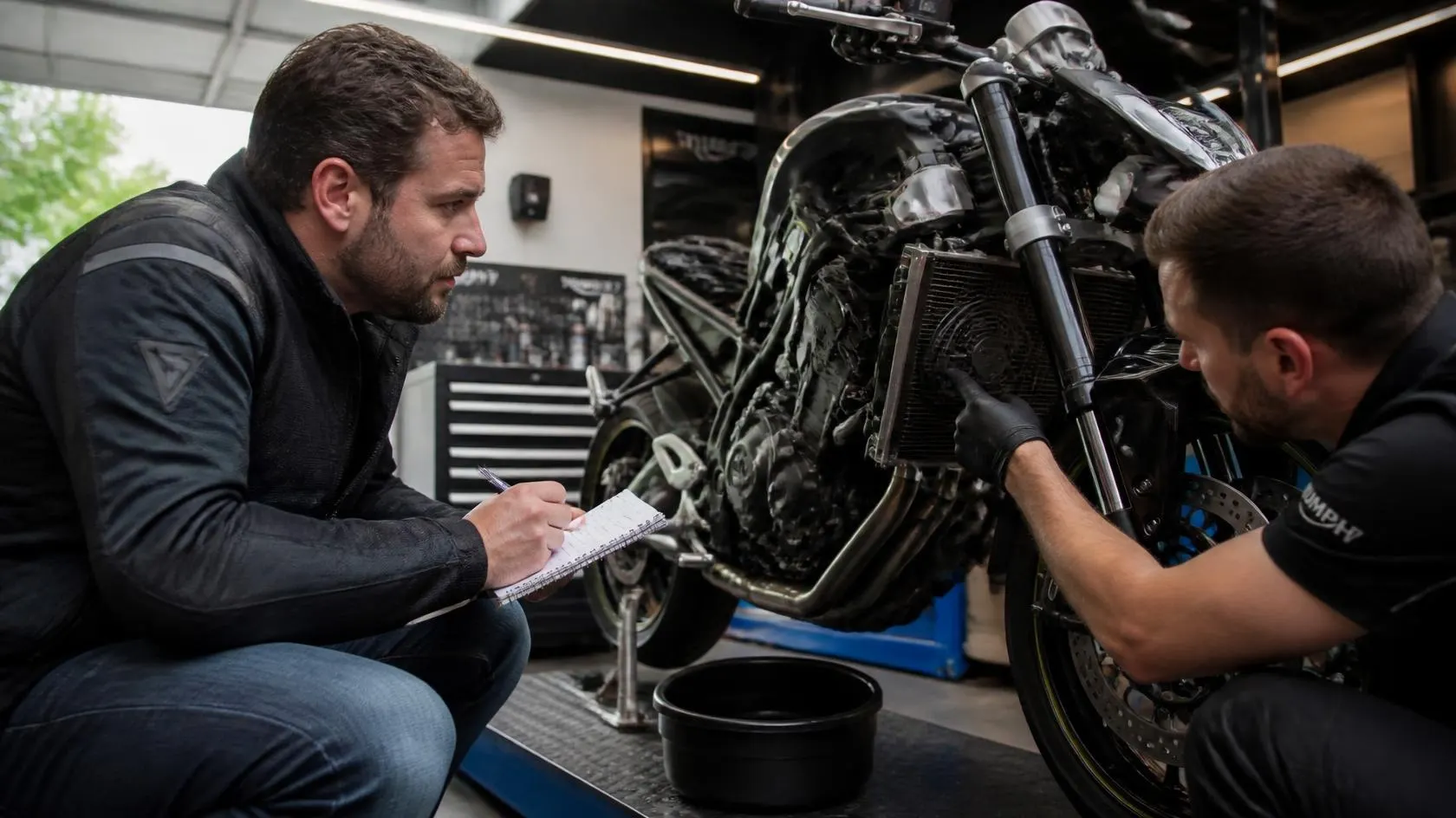
Service reports can help distinguish a minor maintenance issue from a more serious mechanical concern. Findings such as a leaking hose, faulty fan, damaged radiator, or malfunctioning thermostat should be evaluated alongside the motorcycle’s maintenance history.
Assess Cooling Performance Before Choosing
Before choosing a motorcycle, consider how it performs in everyday traffic, not just during a short test ride on open roads. Review its temperature behavior at low speeds, inspect visible cooling components, and check whether maintenance records show recurring overheating complaints.